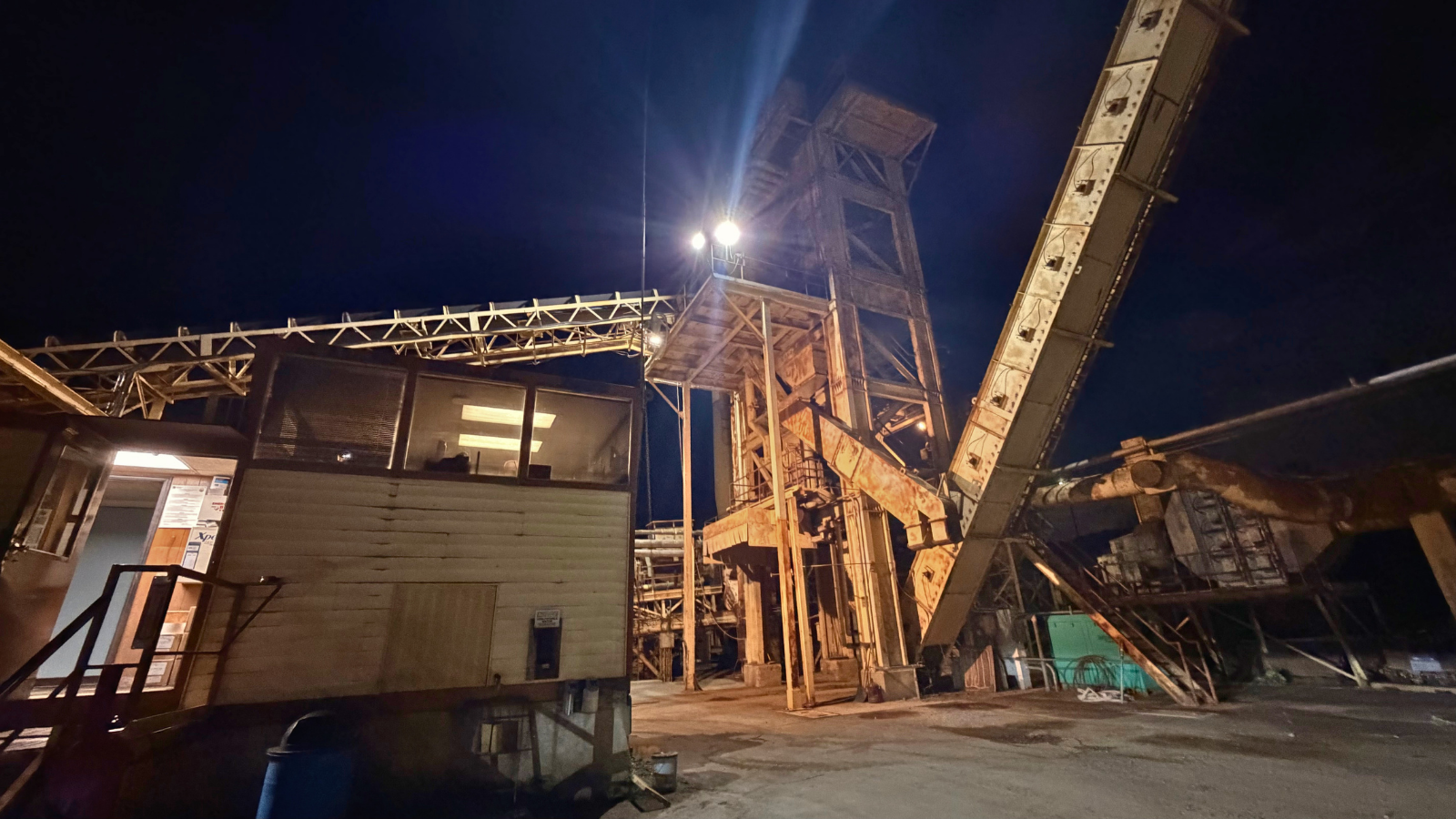

One plant’s busy. Another is running normally. A third has just started to slow down for the day.
At many ready mix operations, plants are still managed as if batching has to happen from a single fixed location: the batch house.
That model has worked for a long time. It keeps production close to the plant, the equipment, and the people who know the operation best. Experienced batch operators understand the pace of the plant, the flow of trucks, the pressures of the schedule, and the small details that keep loads moving.
But production demand doesn’t always follow a neat, plant-by-plant pattern.
Volumes shift throughout the day. Jobs move. Weather changes. Trucks get redirected. Customers call with updates. One location may need more support while another is winding down. And across the industry, experienced batch operators are becoming harder to replace.
For operations leaders managing multiple plants, that raises an important question:
Are we limiting operational flexibility by solely relying on this traditional batcher-in-batch-house model?
The Traditional Batching Approach Has Become Problematic
Most producers have accepted that batching happens in the batch house because that’s how it’s always been done.
Each plant has its own workflow. Each operator has deep knowledge of that site. Each location is managed as its own point of production.
That local expertise still matters. In ready mix, plant knowledge is not something you casually replace. The operator’s judgment, experience, and awareness of what is happening at the plant are essential to keeping production moving with confidence.
But this traditional model creates challenges as operations become more complex with more plants in the mix.
Supervisors need to call in to multiple plants to understand what is happening. Operations managers spend too much time coordinating updates instead of acting on them. Multi-plant leaders may have one location under pressure while another has capacity that’s not being fully used.
The issue is not the people on hand. The issue is a limited model built around physical location instead of operational demand.
Supervisors Gain Clear Visibility Across All Plants
In a traditional ready mix production setup, visibility often depends on phone calls, radio updates, and the experience of the people on site.
That may work during a normal day. But it becomes harder when the day starts shifting.
A supervisor needs to know which plant is behind, which one is slowing down, and where trucks are stacking up. And if that information is scattered across numerous locations, decisions take longer.
On the other hand, a more flexible batching model allows operational leaders to think beyond a single plant lens. It gives supervisors a better understanding of what is happening across their network of plants, so they can respond with more confidence.
For a VP of Operations, COO, General Manager, Operations Manager, or Multi-Plant Manager, the value is not just seeing more activity. It is having enough operational awareness to make faster, better decisions when the day changes.
Operator Expertise Can Support More of the Operation
Experienced batch operators are valuable because they understand more than the buttons on a screen.
They know the plant. They know the pace of production. They know what normal looks like, and they can often spot an issue before it becomes a bigger problem.
But when experienced operators are tied to one physical location, their expertise is limited by where they sit. If another plant needs support, that knowledge may not be easy to apply without extra coordination.
A more flexible model changes the conversation: leaders can now remove the limitation of where their operators physically sit.
That distinction matters.
A 5 plant Operator with Batch Max, who experiences 4 hours per batcher of weekly overtime, could reduce OT costs of $26k per year or a 99% ROI
A 10 plant Batch Max operator with three lower volume plants, could operate those three plants from another location when volume tapers off half way through the shift, saving $82.5k annually or a 146% ROI
The goal is to extend the reach of an operator’s judgment across more of the operation, especially as producers think about coverage, succession planning, and the ongoing challenge of finding and retaining experienced plant talent.
Here’s What Doesn’t Change
Leveraging a network-based approach to ready mix production rather than a plant-by-plant arrangement does not mean lowering standards.
It does not mean removing safeguards. It does not mean giving up control. It does not mean eliminating the need for experienced operational judgment.
Your batching standards still matter. Your controls still matter. Your safeguards still matter. The knowledge of your operators still matters.
As technology extends our reach, a harmonious combination of expertise and insights is a powerful one-two punch
That’s becoming especially important in ready mix production, where small decisions can affect quality, timing, truck flow, and customer confidence.
The Real Shift: From Staffing Every Batch House to Keeping Production Moving
Operational leaders once asked themselves:
“How do we keep every batch house staffed?”
Now, it’s becoming:
“How do we keep production moving, regardless of where our people are located?”
This new conversation is what opens the door to new ways of thinking around coverage, visibility, plant support, and operator expertise. It offers more flexibility when demand shifts and helps leaders think beyond the physical batch house while considering how their teams can support the operation as a holistic network.
For ready mix producers, this is where Batch in Command Cloud becomes part of the conversation.
Built to sit on top of an existing COMMANDbatch or Marcotte Batch system, Batch allows teams to produce ready mix concrete from anywhere. With the same physical controls everyone’s used to still in place, a single complete view of the entire operation — not just a single plant.
Batch in Command Cloud is one way producers are beginning to streamline production across multiple plants with modern flexibility.
Want to see how producers can activate this shift? Watch our webinar replay to learn more about Batch in Command Cloud and how it can help operations leaders flexibly manage their network of plants.