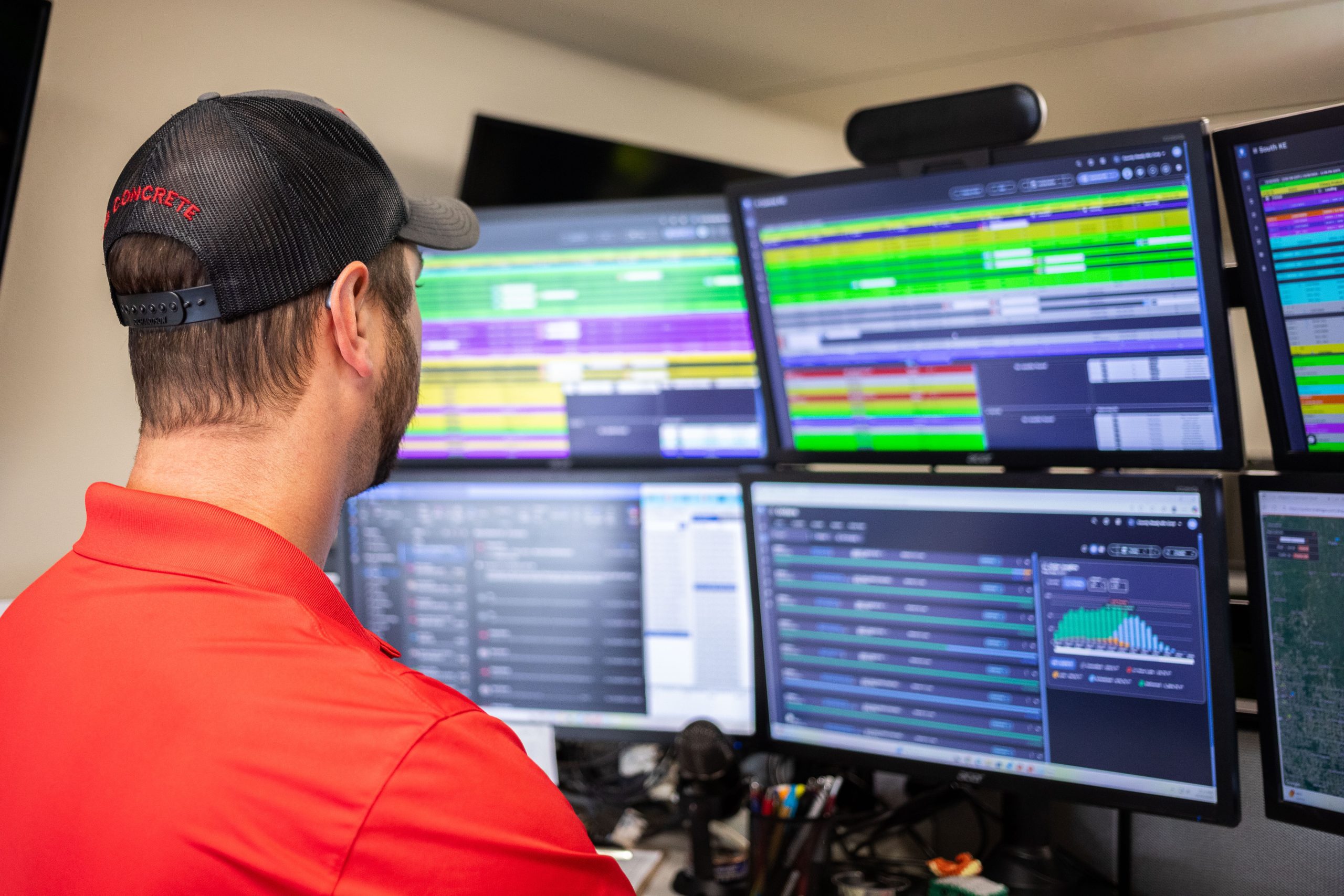

When we stop and think about it, moving to the cloud holds a bit more weight than what someone would consider to be an “upgrade.”
According to Merriam Webster, the word upgrade is defined as “an improvement” or “to raise the quality of.” So then, wouldn’t migrating a dispatch operation to the cloud enhance a team’s daily workflows?
Well, let’s back up. As teams who leverage an on-premise dispatch system may know, no matter the upgrade, this style of dispatch has its parameters. Ongoing operational challenges that on-prem systems just can’t escape include:
- Manual coordination and a reliance on phone calls
- A limited view of the complete situation
- Receiving and communicating updates to customers
In the ready mix concrete industry, dispatch can feel like the center of the universe — this team’s responsibility to coordinate across departments and field key transactions has a massive influence over how the day will turn out.
At its core, dispatching demands highly skilled and attentive individuals who can juggle moving parts, make quick decisions, and stay composed under pressure. That hasn’t changed, but the tools that have assist dispatchers throughout their days have significantly improved.
Great dispatchers are still defined by their ability to manage the unexpected all while keeping orders moving and customers satisfied. But here’s what really happens when dispatchers at material producers operate from Command Cloud — coordination is reinvented.
Rather than simply booting up a cloud-hosted version of a system a team may already use (think COMMANDseries or Integra), technology has enabled tools to evolve into cross-department connectivity of Dispatch in Command Cloud, accomplishing gains in two core areas for producers:
- Information can sync in real time across dispatch, billing, fleet, production, and customer interactions in ways non-web-based technologies can’t provide
- Several manual and error-prone processes that dispatchers have been forced to cope with for years are disassembled and rebuilt to be more proactive and predictable
For a dispatcher, this can have a dramatic effect on their daily routines. Let’s look at driver call-out planning as an example. Many material producers manually assign drivers to schedules using spreadsheets and printouts, often taking up a good amount of time. Then there’s factoring in driver seniority, which takes even more time to straighten out.
Lengthy and repetitive processes like driver call-out have unfortunately kept highly skilled dispatchers from planning ahead with ease and certainty, ultimately leaving producers in a difficult spot if they’re aiming to grow and scale.
The Case For the Cloud
This is modern business connectivity. Free from age-old manual, multi-step processes, ready mix producers can simply get more done by centralizing their operations. While cloud technology has helped eliminate a lot — like closets full of on-premises servers and hardware, paper tickets, and customers waiting on hold — it’s also created a whole new world of opportunities. Fuel is saved, time is kept, and customers stay informed with the help of clearer job updates and precise ETAs.
Between the wealth of advantages it offers, leveraging integrated cloud technology can transform a reactive business outlook into a proactive one. At the dispatcher level, this translates to less chasing after updates and more control over the day.
Live Dashboards – From the unification of the cloud, ready mix businesses no longer have to rely on external tools like Power BI, Tableau, or other spreadsheets. By centralizing critical data across every load and order, dispatchers now have their hands on live, interactive dashboards that avoid all the logging in and out of several disconnected tools. These dashboards allow dispatchers and managers to view operational metrics, drill into live data, customize widgets, and share insights across teams.
Capacity Planning & Truck Tracking – Dispatch in Command Cloud provides a real-time view of active, completed, canceled, and , along with truck demand insights and delivery performance indicators. By following the system’s order modeling, dispatch teams can easily spot and select shipping times that best match the day’s schedule.
Dispatchers can also group information by project or location and monitor how operations are performing throughout the day.
Customer Service Tools – With the flexibility to operate from anywhere, whether on mobile or desktop, dispatchers aren’t the only ones who benefit. Customers can use a mobile portal to track orders, view delivery status, submit order requests, access project information, and communicate with dispatch all without needing to call the dispatch office.
Then, when it comes time to paying an invoice, integrated payment options from within Command Cloud can a lingering payment cycle. Before material is shipped, entry order safety mechanisms inform dispatchers when payments are confirmed and whether an order is on hold, preventing unpaid materials from being mistakenly shipped.
Rethinking Business Connectivity With Dispatch
Across the ready mix industry, many teams are either planning a cloud migration or are already halfway there. As we see more operations run with clear order visibility and control, we’re reminded that moving to the cloud isn’t about upgrading the workflows of an on-prem system but rather creating a more informed and equipped organization altogether. Meanwhile, with fewer surprises dealt their way, customers can confidently expect quality, on-time deliveries.
At our recent webinar, our solution experts walked us through a deep dive of how Dispatch in Command Cloud serves up real-time delivery visibility, simpler workflows, and automatic adjustments that make on-the-fly pivots easier to manage. You can visit the full recording here.